Commercial Waste Removal in Plumstead
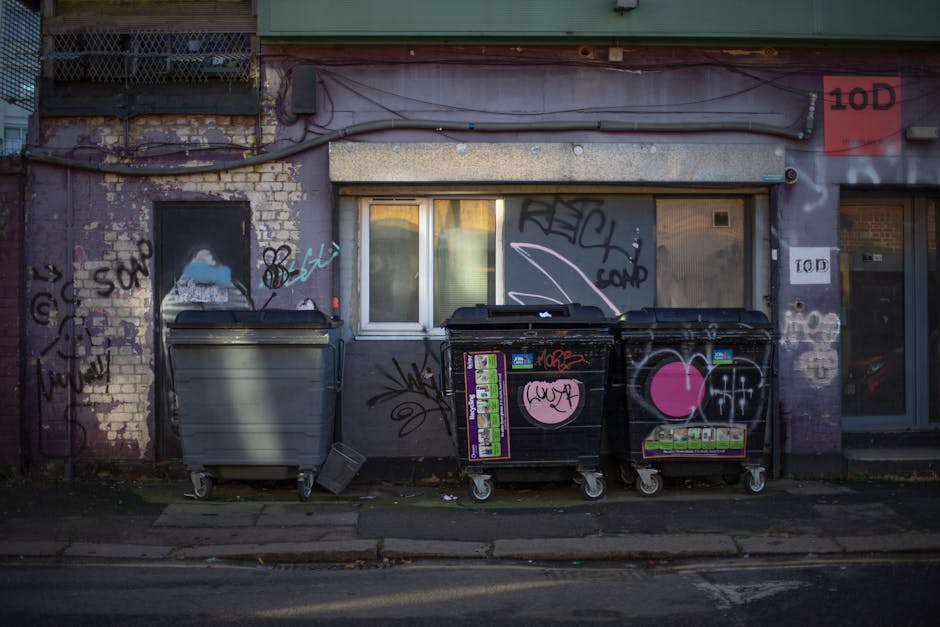
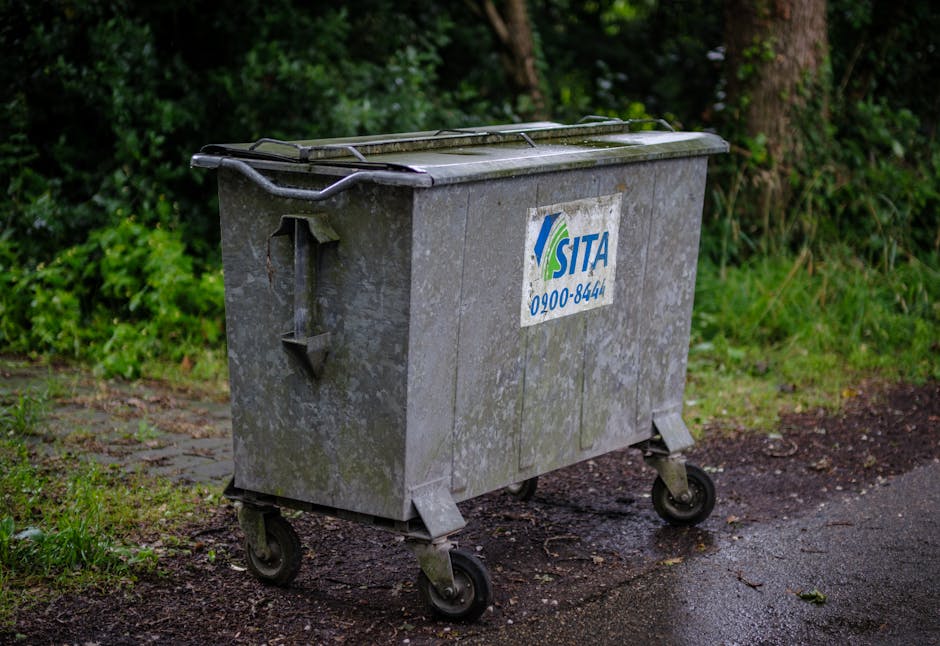
Commercial waste removal in Plumstead needs to be organised around steady routines, sensible segregation and dependable collection of the right materials. Our service is built for workplaces, shops, cafés, managed premises and other commercial settings that generate mixed waste streams and want them cleared with as little disruption as possible. We handle practical clearances across a range of business refuse types, with a focus on keeping collections orderly, documented where needed and appropriate to the site.
Businesses often need more than a one-off uplift. They need a clear plan for ongoing waste removal, occasional bulk clearances and specialist handling for items that should not simply be mixed into ordinary rubbish. That can include furniture, appliances, office contents, packaging, shop fittings and other trade waste. If you are comparing options, it helps to know what material needs removing, how much access is available and whether the site has regular or occasional demand. Request a quotation when you are ready to outline the job.
We can support different commercial settings with practical removal work that fits the premises and the waste type. Commercial premises vary widely, so the service is best approached by category rather than by assumption. A storage room clearing, a staff area tidy-up, an office floor reset and a retail strip-out each call for different handling, vehicle planning and disposal routes. Where relevant, we can also advise on the most suitable service page to explore next, such as business, office or specialist item removal.
Business waste collection for everyday operations
Regular business waste collection is about keeping the day-to-day routine under control. Offices, salons, studios, warehouses and customer-facing units can all build up waste faster than a domestic property, especially when deliveries, packaging and operational by-products are involved. A commercial collection service helps clear those materials before they interfere with working space, access routes or presentation. It is especially useful where waste volumes change from week to week and the business needs a straightforward arrangement.
For many sites, the useful question is not simply what can be taken, but how the collection will be organised. That includes sorting where possible, separating recyclable materials from mixed waste, and making sure the items removed are suitable for the chosen route. For broader information on business-specific clearance, see our business waste removal page, which sits alongside the main service and can help when the requirement is less about a single load and more about recurring disposal needs. Tell us what needs moving and we can work from there.
Every commercial collection should start with the practical basics: quantity, type of waste, access, timing and any items that need extra care. Where a business keeps records of waste movements or has internal disposal procedures, those details can be built into the plan. For some customers, the priority is speed and simplicity; for others, it is the handling of specific waste streams in a way that suits the premises. The service is flexible enough to cover those differences without turning the process into a drawn-out exercise.
Office clearances and workspace resets

Office clearance work is often required when furniture changes, teams relocate, storage areas overflow or a workspace needs to be stripped back before refit. It can involve desks, chairs, filing units, shelving, computers, monitors and general office contents. The aim is to remove items efficiently while keeping the remainder of the building usable and reducing unnecessary disturbance. In many cases, an office load contains a mix of reusable, recyclable and redundant materials that benefit from being handled in a structured way.
Where office waste includes confidential paperwork or items that must be treated carefully, a separate disposal route may be appropriate. Our office clearance page gives a clearer picture of this type of work, while confidential document handling can be supported through the confidential shredding page where paper security is a concern. These services are relevant when the job is more than simply moving furniture out of the way. They are particularly useful for businesses that need removal work aligned with internal housekeeping or storage policies.
Before a clearance is arranged, it helps to identify which office areas are included and whether the job involves dismantling, stacking or removal from upper floors. Office work is often easiest when the layout is understood in advance, especially if bulky items need to pass through tight corridors, lifts or shared entrances. If you are planning a broader change, it can also be sensible to think about whether separate furniture disposal or general waste removal will be more appropriate for different parts of the same project.
Furniture, fixtures and bulky item disposal
Many commercial clearances include bulky items that are no longer useful but still occupy valuable space. Desks, cabinets, storage units, seating and reception furniture can all be removed as part of a targeted disposal job. This is particularly relevant for landlords, site managers and business owners who are changing layout, vacating a floor or replacing worn-out fittings. A focused furniture removal service helps these items leave the premises in a controlled way rather than being left to build up in back rooms or unused corners.
Where upholstered items or mixed furniture loads are involved, the method of removal matters as much as the destination. Furniture may need to be separated from general refuse, and some items are better dealt with through a page dedicated to specific disposal types. You can review our furniture clearance and furniture disposal pages for services that focus on those item groups. If the load contains older seating or mattresses, the dedicated mattress and sofa disposal page may also be relevant.
Commercial furniture removal is often easier to organise when the job is described in practical terms rather than as a general tidy-up. Note whether the items are stacked, fixed, broken, oversized or spread across several rooms. This helps shape the collection and avoids confusion about what should be taken and what should remain. Clear item lists are useful, but they do not need to be polished; plain details about quantity and type are usually enough to start the quotation process.
Builders waste and site clearance support

Commercial waste removal is not limited to routine office or shop refuse. It can also support work after refurbishment, maintenance, light strip-out or fit-out activity. Builders waste often includes timber offcuts, plasterboard, packaging, broken fixtures, tiles and other material left behind once the main work is done. A site can quickly become awkward to use when that waste is left in passageways, store areas or loading spaces, so a practical clearance helps restore order and keep the project moving.
Where building-related waste is the main issue, the more specific builders waste clearance page is the best place to look for that service. It is useful when a business needs post-work removal rather than a general disposal visit. Similarly, if the job includes a mixture of domestic-style contents and construction debris, the scope should be described carefully so the right method is used for each group of items. Not everything from a site should be treated as ordinary rubbish.
Some commercial premises generate debris in stages rather than all at once. In that case, the removal plan can be shaped around project milestones, access windows or temporary storage limits. The key is to keep the load manageable and avoid letting clutter spread into areas used by staff, customers or contractors. A structured approach is more efficient than repeated ad hoc clear-outs and is easier to align with other work taking place on site.
Waste handling for storage areas, garages and ancillary rooms
Commercial premises often have back rooms, plant spaces, garages and storage cupboards that accumulate waste because they are not part of the public-facing area. These rooms can hold broken stock, old packaging, redundant equipment or mixed materials that no longer fit the current operation. Clearing them can free up room for supplies, records, tools or more useful equipment, and it can also make future stock control easier. The removal process should be adapted to the type of stored material and the level of access.
For premises where these spaces have become particularly cluttered, the dedicated garage clearance and loft clearance pages may be helpful reference points, especially where the waste is concentrated in one awkward area. Where the whole property is being emptied rather than one room, the home clearance and house clearance pages are available too, but those are broader domestic services rather than commercial clearances. Choosing the right page helps keep the scope honest and the quotation relevant.
Storage-area work is often less about dramatic transformation than careful removal of accumulated material. That means checking what is reusable, what needs specialist disposal and what can simply be loaded and taken away with other general commercial waste. For site managers, a short inventory is usually enough to frame the job. For smaller businesses, a room-by-room description may be the easiest way to explain what is no longer needed. Start with the biggest items first and then add the rest.
Specialist item disposal and restricted materials
Not every commercial waste load is the same. Some items need a more specific route because of their construction, contents or disposal requirements. Fridges and appliances, for example, are not treated like ordinary furniture, and certain business materials may require additional care or separation. If the waste includes larger domestic-style appliances used on commercial premises, the dedicated fridge and appliance removal page provides a better match than a generic clearance page. This is especially helpful for hospitality, catering and managed accommodation settings.
More sensitive or regulated materials should be identified before collection. Where there is a possibility of hazardous waste, it should be described plainly so the right disposal path can be considered. The hazardous waste disposal page covers that topic more directly. It is not wise to mix restricted material into a general load without first checking the correct handling method. The same principle applies to any item that may involve electrical components, residues, sealed contents or other special considerations.
Specialist disposal is usually easier when the business names the item type and explains where it is located. That could mean a staff kitchen, a stock room, a plant area or a front-of-house space. When a collection includes both ordinary and specialist material, the job can be separated into clear categories. This makes the quotation clearer and reduces the chance of misunderstandings later. It also helps ensure the right vehicle and handling approach are used for the exact waste type.
Recycling, sorting and responsible disposal choices

Commercial waste removal works best when the waste has been thought about before collection. Many business loads contain a useful mix of recyclable and non-recyclable materials, and sorting them properly can make disposal more orderly. Cardboard, metal, office furniture, plastic packaging and other common items may be separated where suitable, rather than all being treated as one mixed load. This does not mean every job must be broken down in detail, but a little structure often makes the process cleaner and more efficient.
Our recycling and sustainability page is relevant for customers who want to understand the disposal approach in more detail. It sits alongside the main commercial waste service and can help when you want the removal process to reflect a thoughtful approach to material handling. The important thing is to keep expectations grounded: not every item can be reused or recycled, and the exact treatment depends on the waste itself. A sound plan still starts with the actual load.
If your business is sorting waste internally before collection, it can help to group items by material, pile size or location. That is often enough to reduce confusion on the day. The aim is not a perfect sorting exercise, but a practical one that makes the collection simpler and the next stage of disposal more straightforward. Where there are mixed items, the load can still be managed sensibly as long as the composition is described accurately.
About Plumstead
Plumstead is a district in the Royal Borough of Greenwich in south-east London, situated within the historic county of Kent and now part of Greater London’s eastern suburban edge. Its character has been shaped by layers of residential development, military history and railway expansion. The area contains a mixture of terraced streets, post-war housing, older commercial frontages and pockets of open space that give it a varied urban texture. Plumstead Common is one of its best-known features: a broad expanse of open ground with a long history of public use, walks and informal recreation. Nearby, Winn’s Common adds another green space to the local landscape, while smaller parks and playing fields provide relief from the built-up streets.
The district’s historical identity is closely linked with Woolwich and the wider Thames-side economy. For much of the nineteenth and twentieth centuries, the surrounding area was influenced by military and industrial activity, and that legacy can still be traced in local street patterns and surviving buildings. Plumstead railway station helped connect the area to central London, reinforcing suburban growth and supporting daily movement in and out of the district. Today, the local environment combines older housing, newer developments and everyday high-street activity, with a strong sense of neighbourhood continuity. Religious buildings, schools and community facilities add further layers to the area’s social fabric. Although it is part of a busy London borough, Plumstead retains a more settled, locally rooted feel than some of the denser inner districts. Its open spaces, transport links and long-established streets give it a distinct place in south-east London’s geography.
Quotations, access and planning a collection
When you are ready to request a quotation, the most useful details are usually the type of waste, the approximate quantity and where it is located. Access matters too: a ground-floor loading point is different from a top-floor office, and a rear yard is not the same as a shared entrance. You do not need a perfect specification to begin, but a sensible outline helps keep the quotation realistic. If the job involves mixed materials, say so plainly rather than trying to classify everything under one label.
For customers who are comparing options, the pricing and quotes page is the most relevant next step. If you prefer to arrange the job straight away, our book online page is available too, but the main point is to choose the route that matches how your business prefers to organise work. Some customers want a quick estimate, while others need to align the clearance with an internal schedule, contractor visit or site handover. Either way, the key details are the same.
Keep the enquiry practical and brief: what needs removing, from where, and whether anything needs separating or handling with care. If you are sorting several areas at once, it can help to mention them in the order that matters most. Send the main details first, then add anything unusual that might affect access or disposal. That is often enough to get the quotation process moving without unnecessary delay.
Commercial waste removal shaped around your premises
![Two large industrial skip bins placed side by side on a paved outdoor area in front of a modern building structure with a concrete facade and glass windows. The left skip contains broken concrete pieces with rough textures and irregular shapes, showing signs of weathering and dust, while the right skip is filled with crumpled and torn white paper or cardboard, stacked haphazardly. The skips are metallic with visible rust and dirt, positioned on a slight incline sloping downward from the building. In the background, part of a chain-link fence and a small area of pavement are visible, with a few scattered debris on the ground around the skips. This scene depicts a typical waste collection setup suited for commercial rubbish removal, such as that offered by Commercial Waste Removal Plumstead, serving [POSTCODE] in the vicinity of Plumstead, London.](/pub/_photos/rubbish/f1291247616.jpg)
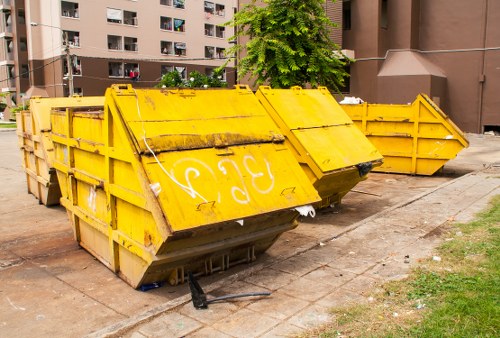
Commercial waste removal in Plumstead is most effective when the service fits the site rather than forcing the site to fit the service. Offices, shops, storage rooms, hospitality units and mixed-use premises all produce different waste streams, and those streams are easier to manage when they are described clearly from the start. We can support one-off clearances, targeted item removal and broader business waste work, with the exact scope set by the material and the access available.
Useful decisions are usually straightforward: identify the load, decide whether any items need specialist handling, and choose the page or service that best reflects the job. If you have several waste types, they can be discussed together so the collection plan remains coherent. The aim is a practical removal arrangement that clears space, reduces clutter and keeps business areas working as they should. Tell us what you need removed and we can help you shape the next step.
To finish, choose the route that suits you best and request a quotation when you are ready. If the work is straightforward, a short description may be enough; if it is more involved, list the different item groups separately. Ask for a quotation today and we will work from the details you provide, keeping the process clear and focused on the waste that actually needs to go.