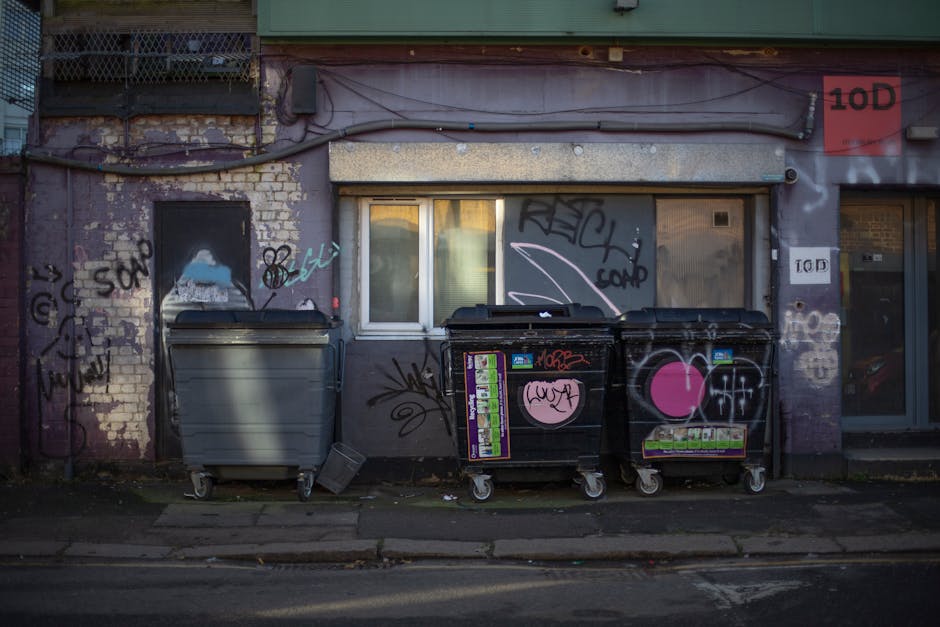
Woolwich Road estate rubbish clearance SE18: a practical guide for homes, flats and busy local properties
If you live, manage, or work around Woolwich Road estate rubbish clearance SE18, you already know the problem is rarely just "a bit of rubbish". It's a tight stairwell, a blocked bin store, a last-minute flat move, a build-up after decorating, or a pile of items that suddenly seems to take over the whole place. One bag becomes three. Three becomes a small mountain. And then the hallway starts to smell a bit off. Not ideal.
This guide explains how rubbish clearance works in the Woolwich Road estate area, what to expect from a proper service, what can usually be removed, and how to avoid the common mistakes that cost time and money. It also covers practical decision points, compliance basics, and a few local realities that make estate clearance a little different from a standard one-off collection.
Whether you're clearing a single room, an entire flat, a loft, a garage, or a shared estate space, the aim here is simple: help you get it done cleanly, safely, and without unnecessary hassle.
- Why Woolwich Road estate rubbish clearance SE18 Matters
- How Woolwich Road estate rubbish clearance SE18 Works
- Key Benefits and Practical Advantages
- Who This Is For and When It Makes Sense
- Step-by-Step Guidance
- Expert Tips for Better Results
- Common Mistakes to Avoid
- Tools, Resources and Recommendations
- Law, Compliance, Standards, or Best Practice
- Options, Methods, or Comparison Table
- Case Study or Real-World Example
- Practical Checklist
- Conclusion
- Frequently Asked Questions
Why Woolwich Road estate rubbish clearance SE18 Matters
Estate clearance is not quite the same as driveway clearance or a straightforward house clear-out. On a place like Woolwich Road estate, you're often dealing with shared access, limited parking, neighbours coming and going, and the usual London mix of tight corners, stairwells, and "where on earth do we put this?" moments. That changes the whole job.
Rubbish left too long can start affecting more than appearance. It can make entrances harder to use, attract pests, create trip hazards, and irritate neighbours who have to walk past it every day. In shared blocks, that matters a lot. It only takes one awkward pile in a communal area for the whole building to feel less cared for.
There's also a practical side. When rubbish clearance is handled properly, you protect flooring, walls, lifts, and shared surfaces. You also reduce the chance of fines, complaints, or an unhappy managing agent asking questions nobody wants to answer on a Friday afternoon. To be fair, that alone is often reason enough.
For estate residents, landlords, and local businesses, a reliable clearance process creates breathing space. It means the flat can be handed over, the storage area can be used again, or the communal space can simply look like somebody still cares. Small thing? Maybe. But it makes a big difference day to day.
How Woolwich Road estate rubbish clearance SE18 Works
The basic process is simple, but the details matter. A good clearance service starts by understanding what needs removing, how much there is, and whether anything needs special handling. Not all waste is the same, and a mixed pile in a hallway can hide all sorts of surprises.
Typically, the process begins with an assessment or a quick description of the load. That might be a single sofa, a few bags of mixed household waste, old cabinets, broken shelves, or post-renovation debris. If the items are bulky or access is awkward, it helps to say so early. A team that knows the difference between a ground-floor pick-up and a fourth-floor walk-up will plan properly. Simple, but important.
From there, items are sorted into what can be reused, recycled, or disposed of responsibly. If you're clearing furniture or appliance waste, it can help to look at furniture clearance options and, where suitable, related services such as furniture disposal or fridge and appliance removal. The key is matching the service to the actual waste, not guessing and hoping for the best.
Many jobs on estates also involve extra care around shared spaces. That means protecting corridors, avoiding damage to lifts or stair edges, and keeping noise and disruption to a reasonable level. A good crew should work efficiently and clean up after the heavy lifting. You should not be left with dust, splinters, or a trail of packaging. Obviously.
If the job includes specialist waste, such as broken fittings, renovation debris, or items that may need careful handling, it may fit better with builders waste clearance or broader waste removal. That distinction helps keep the job legal, tidy, and cost-effective.
Key Benefits and Practical Advantages
A well-run estate rubbish clearance service does more than make things look neat. It can change how usable and calm a property feels straight away.
- Faster space recovery: Rooms, hallways, bin areas, and storage spaces become usable again without you spending the whole weekend hauling bags downstairs.
- Less disruption: Professionals can often remove items in one visit, which is much easier in a busy estate setting than multiple piecemeal trips.
- Safer access: Removing trip hazards and blocked walkways is especially important in shared areas and narrow estate corridors.
- More responsible disposal: Good waste handlers separate recyclable items and manage specialist items properly instead of dumping everything together.
- Less stress at changeover time: If you're moving out, letting, or preparing a flat for new occupants, a clean handover matters. A lot.
There's also a quieter benefit people often miss: the mental relief. A cluttered flat or storage space can make the whole property feel heavier. Once the unwanted stuff goes, the place feels smaller in a good way, if that makes sense. Clearer, lighter, easier to think in.
For homes and estate flats, this is one of those jobs where the practical and emotional wins arrive together.
Who This Is For and When It Makes Sense
Woolwich Road estate rubbish clearance SE18 is useful for a pretty wide mix of people. Some need it once. Some need it regularly. And some only realise they need it when the hallway has started looking like a storage unit after a bad week.
Common situations where it makes sense
- Tenants leaving a flat and needing a quick end-of-tenancy clear-out
- Landlords preparing a property between lets
- Homeowners clearing old furniture, boxes, or general household clutter
- Estate managers dealing with shared-area waste or fly-tipped items
- Builders and decorators finishing a job with leftover rubble, timber, or packaging
- Residents emptying lofts, garages, or storage cupboards
- Small businesses or home offices getting rid of mixed waste or old equipment
If you're clearing a flat, the logistics can be just as important as the waste itself. Narrow stairs, no lift, timed access, and neighbours coming through can complicate things fast. In those cases, flat clearance is often the most sensible starting point.
If the job is broader, like a whole property empty-out or a deceased estate, then house clearance or home clearance may fit better. For more focused spaces, loft clearance and garage clearance are useful options too.
Truth be told, if you're standing in front of a pile and wondering where to begin, it's probably time to get help.
Step-by-Step Guidance
Here's a straightforward way to approach the job without overcomplicating it.
- Identify the waste type. Separate general rubbish, furniture, appliances, builders' debris, and anything potentially hazardous. A mixed pile is manageable, but knowing what's there helps avoid delays.
- Check access. Note stairs, lifts, parking restrictions, locked gates, and any time windows for loading. On an estate, this can matter more than the volume of waste itself.
- Decide what should be kept. It sounds obvious, but there's always one item that someone meant to save. A box of documents. A spare chair. A charger from 2017. You know the one.
- Choose the right service scope. A single sofa is different from a full flat clear-out. If you're unsure, compare options and ask for the most suitable approach rather than the biggest one.
- Ask about sorting and disposal. Good operators should explain how items are handled, whether anything is recycled, and how specialist waste is managed.
- Prepare the collection area. Move what you can safely, protect nearby surfaces if needed, and make sure access is clear on the day.
- Confirm the finish. Once the waste is removed, check that the area has been left tidy and that nothing has been missed.
A small but useful tip: take photos before the collection. Not for drama, just for clarity. If you've ever tried describing "the bit by the back stairwell" over the phone, you'll know why that helps.
Expert Tips for Better Results
After enough clearances, certain patterns show up again and again. The same little issues keep causing delays, extra work, or unnecessary cost.
- Group waste by type if you can. It speeds up loading and makes sorting easier. Even a rough separation helps.
- Keep one access route clear. A clear path saves time and reduces the chance of knocks and scrapes.
- Be honest about awkward items. A mattress, broken wardrobe, or heavy appliance is not the same as a few bin bags. Say so up front.
- Think about timing. Early morning can be calmer on an estate, but only if that suits the building rules and neighbours.
- Protect shared surfaces. If the route includes delicate flooring or tight corners, a little preparation goes a long way.
- Use the job as a reset. If you're already clearing rubbish, it's a good moment to deal with neglected cupboards, broken furniture, or forgotten storage.
If there are sofa, mattress, or bulky household items involved, look at mattress and sofa disposal as part of the planning. These items are awkward, heavy, and somehow always larger than you remember.
And if you are clearing a mix of old paperwork alongside household clutter, confidential shredding may be worth considering. It keeps sensitive documents out of general waste, which is just sensible really.
Common Mistakes to Avoid
Most problems with rubbish clearance are avoidable. The hard part is that people usually spot them too late.
- Underestimating volume: A hallway full of bags can be more than it looks. Visual guesses are famously unreliable.
- Mixing hazardous items with general waste: Things like chemicals, batteries, paints, or certain electrical items may need special handling.
- Ignoring access issues: If the team can't park close enough or has to carry waste a long distance, the job becomes slower and more expensive.
- Leaving everything until the last minute: This creates stress and makes it harder to sort reusable, recyclable, and general waste properly.
- Assuming all clearances are the same: Estate rubbish clearance is not identical to garden, loft, or builder's waste. Different waste, different plan.
- Forgetting to ask what happens next: If you want recycling, tidy finish, or special item handling, ask before the collection day.
One especially common issue is assuming a bulkier service will automatically solve everything. Sometimes the best answer is a more specific one. For example, a cluttered storage room may suit garage clearance better than a broad waste removal job. Matching the service to the job is half the battle.
Another one? People often forget to mention broken appliances. That is the moment when the plan changes a bit.
Tools, Resources and Recommendations
You do not need a van full of kit to organise a good clearance, but a few simple tools make life easier.
- Strong refuse sacks or rubble bags: Better for sorting and carrying smaller waste safely.
- Marker pens and labels: Helpful if you want to separate keep, donate, recycle, and remove piles.
- Gloves and sturdy footwear: Basic, but worth saying. Estates often hide sharp edges, splinters, or broken plastic under a pile.
- Phone camera: Useful for documenting the load, access route, or anything fragile that needs care.
- Tape or temporary floor protection: Handy if the route is tight or the flooring is delicate.
For planning and service comparison, useful pages on this site include pricing and quotes, book online, and recycling and sustainability. Those are sensible starting points if you want to understand the process before committing.
If you are working around a refurbishment or renovation, the page on builders waste clearance is useful too. It helps separate renovation debris from everyday household rubbish, which matters more than people think.
Small recommendation, but a good one: keep a written list of bulky items before anyone arrives. It sounds old-fashioned, but it saves back-and-forth and gives everyone a clearer picture.
Law, Compliance, Standards, or Best Practice
Rubbish clearance in the UK needs to be handled responsibly, especially when waste comes from flats, estates, or commercial settings. You do not need to become a waste-law expert, but you do need to avoid the obvious pitfalls.
As a rule of thumb, waste should only be passed to people who can handle it properly, and special care should be taken with items that may be hazardous, electrical, or confidential. The exact legal duties can vary depending on whether the waste is household, commercial, or construction-related, so it is wise to be careful rather than casual.
Good practice usually includes:
- separating general waste from recyclable materials where practical
- keeping potentially hazardous items out of mixed rubbish loads
- using a responsible carrier and proper disposal route
- protecting shared areas and minimising nuisance to neighbours
- being transparent about what is being removed
If appliances are involved, they should be handled with care because they can contain components that need specific disposal routes. If the load includes chemicals, paints, solvents, or other risky material, treat that as specialist waste, not a normal pile of rubbish. Same goes for anything that feels uncertain. If in doubt, slow down. That's the smart move.
For service reassurance and operational standards, it can also help to review health and safety policy, insurance and safety, and terms and conditions. Those pages help set expectations and show how the work is approached.
If the waste includes items that may be treated as hazardous, see hazardous waste disposal for a more suitable route. Better to ask a direct question than to assume and get it wrong.
Options, Methods, or Comparison Table
There are a few ways to deal with estate rubbish, and the best one depends on volume, access, urgency, and the type of waste. Here's a simple comparison.
| Method | Best for | Pros | Limitations |
|---|---|---|---|
| Self-haul to a facility | Small loads and people with transport | Can work for very minor clearances | Time-consuming, heavy lifting, awkward parking, not ideal for bulky items |
| Skip hire | Refurbishment waste or ongoing projects | Good for larger volumes and staged loading | Needs space, permits may be relevant, not always suitable for estates |
| Man and van clearance | Mixed household rubbish, flats, bulky items | Fast, flexible, good for access-limited sites | Needs accurate quoting and clear item descriptions |
| Specialist clearance service | Hazardous, confidential, or unusual waste | Safer handling, better compliance, clearer process | May cost more depending on what needs removing |
For many Woolwich Road estate jobs, a flexible clearance visit is the practical middle ground. It avoids the complexity of organising a skip while still handling bulky or mixed waste in one go. If you want to understand what can go in a skip and compare that route properly, the page on what can go in a skip is worth a look.
In short: if the waste is awkward, mixed, or time-sensitive, a clearance approach usually makes life easier.
Case Study or Real-World Example
Here's a realistic example, without dressing it up too much.
A resident in a Woolwich Road estate flat had been meaning to clear the property for weeks. Old chairs were stacked in one corner, bags of mixed rubbish had built up near the kitchen door, and a broken wardrobe had been left in pieces after a half-finished attempt to dismantle it. Nothing dramatic. Just one of those situations where life gets busy and the mess quietly grows.
The real problem was access. The flat sat on an upper floor, the corridor was narrow, and the lift was shared. That changed the job straight away. Instead of a simple one-person drop-in, the clearance needed a clear route, careful lifting, and a tidy finish in the communal areas.
Once the items were grouped by type, the team could remove the bulky furniture first, then the lighter mixed rubbish. The resident had also separated a few papers and personal items in advance, which helped more than they expected. In under what felt like no time at all, the flat looked usable again. Not perfect, just better. Much better.
That is often the real win with estate rubbish clearance. It is not just about getting rid of stuff. It is about restoring order, reducing friction, and taking the pressure off the space. If you have ever opened a cupboard and felt immediate regret, you will know the feeling.
Practical Checklist
Use this before booking or starting a clearance.
- Identify the main waste types: household, furniture, appliances, builders' waste, or mixed rubbish
- Check access: stairs, lifts, parking, gates, timed entry, and any estate rules
- Separate anything you want to keep before the collection day
- Set aside confidential documents for shredding if needed
- Flag any hazardous, electrical, or fragile items early
- Take a few photos if the load is awkward or difficult to describe
- Choose the service that matches the actual job, not the biggest-sounding one
- Make sure the route is clear and safe for lifting
- Confirm how the waste will be sorted and handled
- Check the area after collection so nothing has been missed
If your clearance includes office items, paperwork, or business clutter, office clearance and business waste removal may be more relevant than a general house job. The right fit saves time.
Get a free quote today and see how much you can save.
Conclusion
Woolwich Road estate rubbish clearance SE18 is one of those jobs that looks straightforward from the outside, then quickly turns into a puzzle once you factor in access, shared spaces, bulky items, and the need to dispose of everything properly. Done well, it saves time, reduces stress, and makes the property feel liveable again. That matters more than people sometimes admit.
The best approach is simple: know what needs removing, think through access, choose the right type of clearance, and make sure the waste is handled responsibly. Whether you are dealing with a single item, a cluttered flat, or a bigger estate clearance, a bit of planning goes a long way.
And honestly, once the rubbish is gone and the space breathes again, you feel it straight away. Cleaner air. Clearer floor. Less mental clutter too. Nice feeling, that.
Frequently Asked Questions
What does Woolwich Road estate rubbish clearance SE18 usually include?
It usually includes the removal of general rubbish, bulky household items, unwanted furniture, bagged waste, and sometimes mixed clear-out materials from flats or shared estate spaces. The exact scope depends on access and the type of waste.
Is estate rubbish clearance different from normal household rubbish removal?
Yes, it often is. Estate jobs usually involve shared access, tighter spaces, neighbour considerations, and more care around communal areas. That makes planning and loading more important than with a simple driveway collection.
Can you clear rubbish from flats with no lift?
Yes, but access should be explained clearly in advance. Stairs, narrow turns, and long carrying distances all affect the time and effort involved, so the job needs to be priced and planned accordingly.
What happens to the waste after collection?
Responsible waste handlers will sort items for reuse, recycling, or disposal where practical. Mixed loads may need to be separated before the correct disposal route is chosen.
Can bulky furniture be removed from an estate flat?
Yes. Sofas, wardrobes, beds, tables, and similar items are commonly removed, though access and the size of the item matter. If the furniture is especially large or awkward, it helps to mention that before booking.
What should I do with broken appliances?
Broken appliances should be flagged separately because they may need specific handling. Fridges, freezers, and other white goods are often better dealt with through a dedicated appliance service rather than mixed household rubbish.
Is it possible to clear rubbish from a shared bin area?
Often yes, provided the waste is yours to remove or you have permission to clear it. Shared spaces need care, though, because you do not want to disturb other residents or leave the area untidy.
How do I prepare for a rubbish clearance visit?
Separate keep items from remove items, clear a safe path, note access details, and point out anything special such as fragile items or hazardous waste. A little preparation makes the whole job smoother.
Do I need to sort recyclables before collection?
It helps, but it is not always required. If you can separate cardboard, metal, wood, or reusable items from mixed waste, that usually makes sorting easier and supports better recycling outcomes.
What if I have confidential papers mixed in with the rubbish?
Keep them aside and use a confidential shredding option rather than putting them in general waste. It is a simple step that protects privacy and removes a headache later.
How do I know whether I need flat clearance, house clearance, or general waste removal?
Use flat clearance for apartment or block-based clear-outs, house clearance for whole-property jobs, and general waste removal for mixed rubbish or smaller one-off loads. If you are unsure, start with the most specific description of the job you can give.
What is the biggest mistake people make with estate rubbish clearance?
The biggest mistake is underestimating access and load size. On an estate, those two things can change the whole job. A pile that looks manageable can be a very different story once stairs, parking, and shared corridors are involved.
Can rubbish clearance help before a move-out or tenancy change?
Absolutely. It is one of the best times to do it, especially if you need the property to feel clean and ready for the next occupant. It saves a lot of last-minute scrambling too.
How soon should I book?
As early as you can, especially if the job has time pressure or access restrictions. If the estate has specific timings or the clearance needs to happen before a handover, do not leave it until the final day if you can help it.